
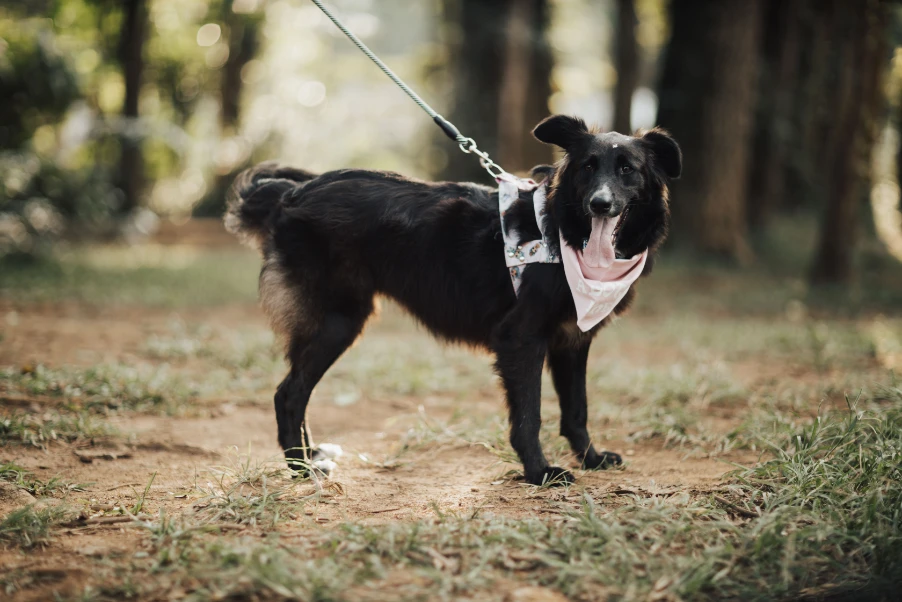
Your dog sees another dog across the street and suddenly they’re barking, lunging, and pulling so hard on the leash you can barely hold them back. Is that aggression? Is it something else? The words get used interchangeably all the time, but they don’t mean the same thing, and mixing them up can send you down the wrong training path entirely.
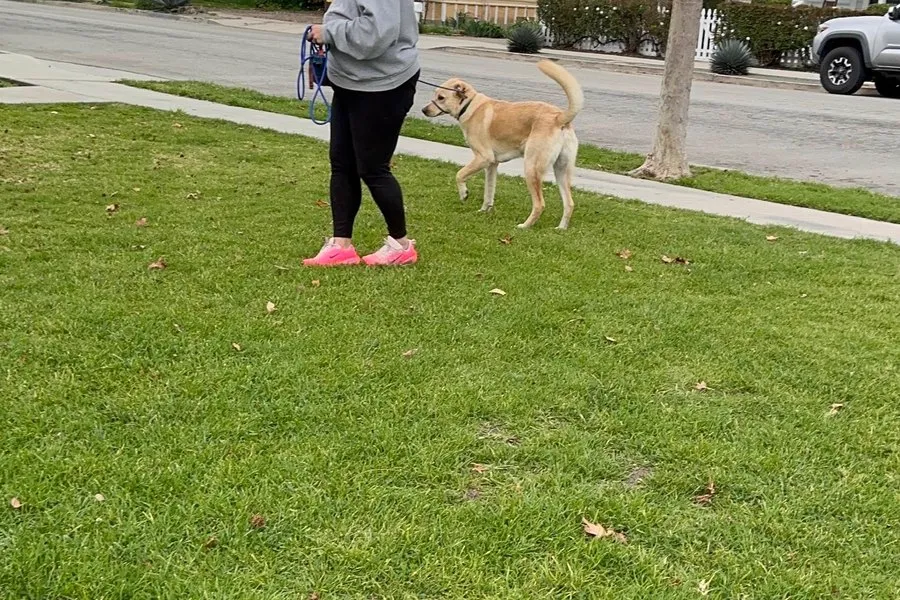
Understanding which one you’re actually dealing with changes everything: how you manage the behavior day to day, how a trainer approaches it, and how worried you should genuinely be.
What Reactivity Actually Means
Reactivity describes a dog who overreacts to something in their environment. It’s an intensity problem, not necessarily a danger problem. A reactive dog might bark, lunge, whine, or spin in circles when they see another dog, hear a skateboard, or spot a jogger, and the response is way bigger than the situation calls for.
Reactivity is almost always rooted in emotion, usually fear, frustration, or over-excitement rather than a desire to cause harm. A dog frustrated because they want to greet every dog they see but can’t because of the leash will look a lot like an aggressive dog from a distance, even though their actual goal is to get closer, not to fight.
What Aggression Actually Means
Aggression refers to behavior intended to create distance, assert control, or cause harm. Think stiff body language, a hard stare, a low warning growl, and, in more serious situations, a bite. Aggression is a normal part of how dogs communicate boundaries, and a certain amount of it is completely healthy. The concern starts when it becomes unpredictable, disproportionate, or genuinely dangerous.
Where reactivity is often described as an emotional overreaction, aggression is more deliberate. The dog isn’t just overwhelmed, they’re actively trying to make something stop or go away.
The Difference in Intent
This is the clearest way to separate the two. A reactive dog barking at another dog on a walk usually wants something, whether that’s to greet, to chase, or simply to release built-up frustration. An aggressive dog wants distance or wants the perceived threat to back off.
That’s why a lot of reactive dogs actually do fine off-leash or in a calm, controlled introduction. Remove the frustration of the leash or the barrier, and the “aggressive-looking” behavior often disappears. A genuinely aggressive dog’s behavior tends to hold up even without a barrier in the way.
The Difference in Body Language
Reactive dogs often show a mix of high arousal signals: a fast, high tail wag, forward lunging, high-pitched barking, and a body that’s tense but oriented toward the trigger rather than away from it.
Aggressive dogs more often show stillness before the outburst: a fixed stare, a stiff and lowered body, ears pinned or forward, and a low, slow growl rather than frantic barking. Fear-based aggression adds another layer, with a tucked tail, crouched posture, and attempts to retreat before the dog ever snaps.
Neither pattern is universal, and plenty of dogs blend both, which is exactly why guessing from a single incident is risky.
Can a Reactive Dog Become Aggressive?
Yes, and this is the part owners most need to hear. Reactivity that goes unaddressed can absolutely escalate into aggression over time.
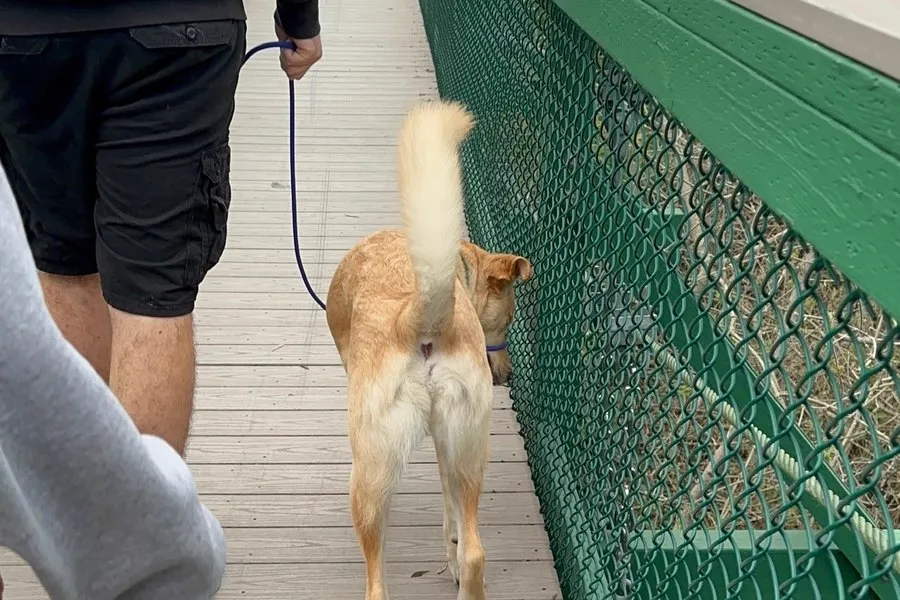
Every time a dog barks and lunges and the scary thing moves away, whether that’s another dog crossing the street or a person backing off, the dog learns that the behavior works. Left unmanaged, that pattern can intensify from noisy frustration into a dog who is now genuinely willing to bite to make things go away.
This is one of the biggest reasons early intervention matters so much. A reactive six-month-old is a much easier training project than a three-year-old who has spent two and a half years practicing the same behavior with real success.
Why the Label Matters for Training
Treating reactivity like aggression, or aggression like simple reactivity, is one of the most common ways training goes sideways. A frustrated-greeter reactive dog often needs impulse control, structured exposure, and outlets for that social energy. A genuinely aggressive dog, especially one showing fear-based or resource-driven aggression, needs a much more careful desensitization plan built around safety first and trust second.
This is exactly why a proper assessment matters more than a quick label from a stranger at the dog park or a video on social media. Our aggression and reactivity program starts by figuring out which pattern your dog actually fits before building a plan, because the wrong approach can genuinely make either issue worse.
How to Tell Which One You’re Dealing With
Ask yourself these questions about your dog’s behavior:
Does the intensity match the situation, or does it seem way out of proportion? Does your dog seem to want to get closer, or clearly want distance? Does the behavior show up consistently even without a leash, fence, or other barrier in the way? Is there a stiff, still moment before the reaction, or does it build gradually with obvious frustration?
If you’re seeing genuine stillness, a hard stare, and a clear intent to make something back off, especially around resources, guests, or specific family members, that leans toward aggression. If it’s loud, frantic, and mostly happens around barriers or missed greetings, that leans toward reactivity, though it still deserves attention before it gets worse.
Brittany, the trainer behind K9 Harmony, worked through this exact distinction with her own dog Stormy years before turning it into a career. You can read more about that story on our About page.
Getting the Right Help
Whether your dog is reactive, aggressive, or somewhere in between, the goal is the same: help them feel calm and confident instead of overwhelmed. Anxiety and over-arousal often sit underneath both patterns, which is part of why our anxiety and hyperactivity program pairs so well with behavior work for dogs who struggle to settle in general.
If you’re not sure which category your dog falls into, that’s completely normal, and it’s exactly what a proper in-person evaluation is for. Schedule a free call consultation and we’ll help you figure out what’s actually driving the behavior and what to do about it.