
If your arm feels like it’s getting a workout on every single walk, you’re far from alone. Leash pulling is one of the most common complaints trainers hear, and the good news is that it’s also one of the most fixable, as long as you understand why it’s happening and stay consistent with the fix.
Why Dogs Pull in the First Place
Dogs pull because it works. Somewhere along the way, your dog learned that leaning into the leash gets them where they want to go faster, whether that’s toward a smell, another dog, or just forward in general. Every step you take while they’re pulling reinforces that lesson, even if you’re annoyed the whole time.
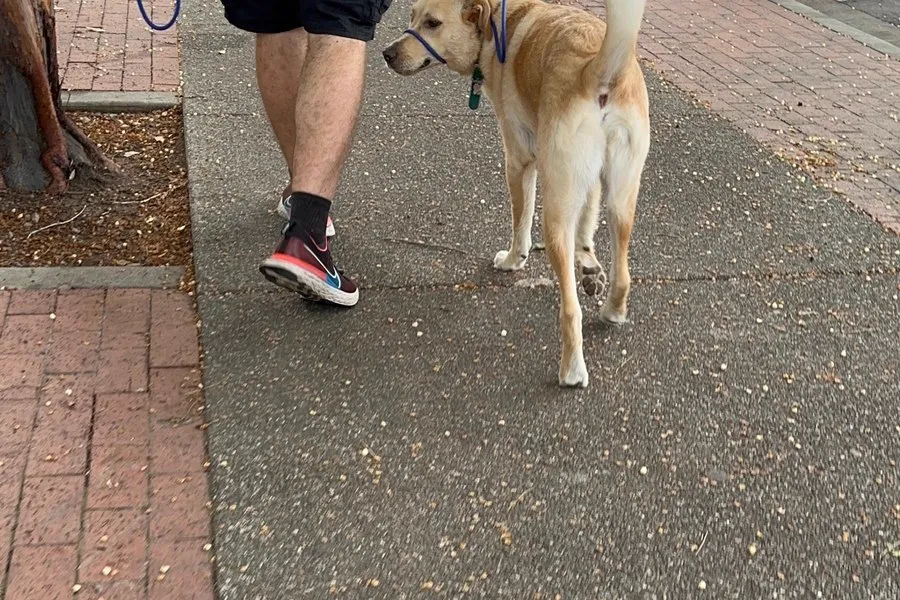
There’s also a physical piece to this called the opposition reflex. When something pushes or pulls against a dog’s body, their instinct is to push or pull back against it. That means the more you yank back on a pulling dog, the harder their instinct tells them to pull forward.
Excitement, under-exercise, and simply never being taught an alternative all play a role too. A dog who’s never been shown what a loose leash actually feels like can’t be expected to offer it on their own.
Step 1: Stop Rewarding the Pull
The single biggest shift is to stop moving forward the moment the leash goes tight. This is often called the “be a tree” method. When your dog hits the end of the leash and pulls, simply stop walking. Don’t yank back, don’t say anything, just plant your feet and wait.
The instant the leash goes slack, even if it’s just your dog glancing back at you in confusion, start walking again. Repeat this every single time the leash tightens. It’s slow at first, and your first few walks might only cover half a block, but dogs pick up on the pattern faster than most owners expect once it’s applied consistently.
Step 2: Practice Direction Changes
Once your dog understands that pulling stops forward motion, add in random direction changes. Walk a few steps, then turn and walk the opposite way without warning. This keeps your dog checking in with you instead of forging ahead on autopilot, and it builds the habit of watching where you’re going rather than dragging you toward whatever grabbed their attention.
Step 3: Reward Position, Not Just Behavior
Loose leash walking sticks much faster when you actively reward your dog for being in the right spot, rather than only correcting them for being in the wrong one. Drop small treats near your leg while walking, or pause to reward whenever your dog happens to be walking beside you with slack in the leash. You’re teaching them that good things happen right next to you, not twenty feet ahead.
Step 4: Start Somewhere Boring
Don’t try to fix leash pulling for the first time in the most exciting environment your dog knows. Start in your living room or a quiet section of your yard, somewhere with almost nothing competing for your dog’s attention. Once loose leash walking is solid there, move to a quiet street, then a slightly busier one, and keep building up gradually. Trying to train this for the first time at a busy park or a crowded trailhead sets most dogs up to fail.
What About Equipment?
The right tool doesn’t replace training, but it can make the process safer and less frustrating while you’re working on it. A front-clip harness redirects a pulling dog’s momentum to the side instead of letting them drive forward with their full body weight. Head halters offer even more control for strong pullers, though they take time to get a dog comfortable wearing one.
For dogs who need clearer, more reliable communication than a harness alone can offer, especially strong or highly distractible dogs, a properly introduced e-collar can speed up the process significantly when it’s used correctly. Our e-collar training program focuses on exactly that: teaching the tool the right way so it becomes a clear communication device, not a correction the dog dreads.
Common Mistakes That Slow Down Progress
Jerking the leash back repeatedly usually makes pulling worse over time, not better, because of that opposition reflex. Letting your dog pull on some walks while trying to correct it on others sends mixed signals and slows everything down.
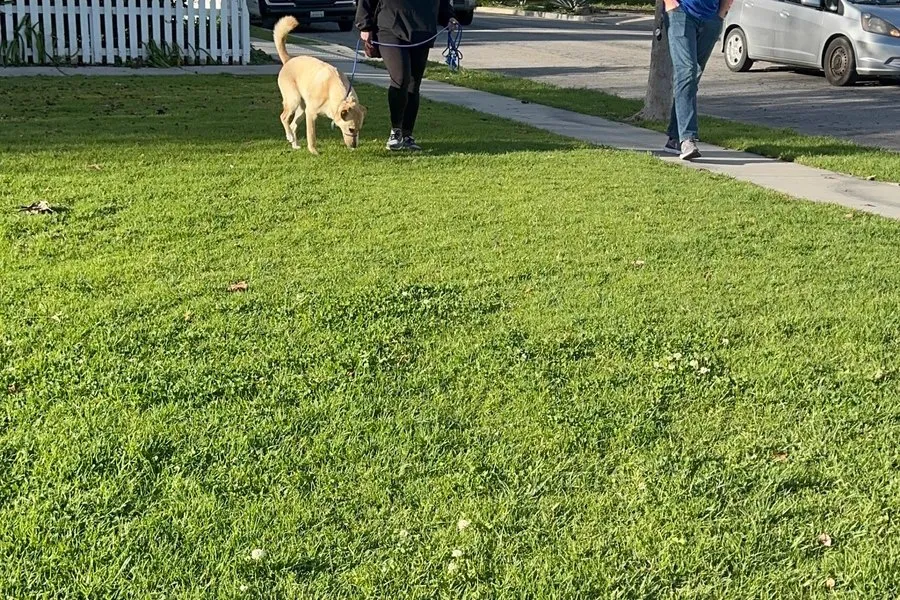
Expecting a fully loose leash on a long, exciting hike before your dog has mastered it on a quiet block is a common setup for frustration on both ends of the leash.
Consistency matters more than intensity here. Five minutes of focused practice on every walk will get you further than one long session once a week.
Building the Bigger Picture
Loose leash walking is really just one piece of a dog who understands structure and looks to you for direction, which is exactly what our basic life skills training is built around. Dogs who’ve built that foundation tend to pick up leash manners faster, because they’re already used to checking in and following your lead in other parts of daily life.
If you’ve been working on this on your own and still feel like you’re being dragged around the block, you don’t have to keep white-knuckling every walk. Book a Free Call Consultation and we’ll put together a plan that fits your dog’s specific energy level and triggers.