
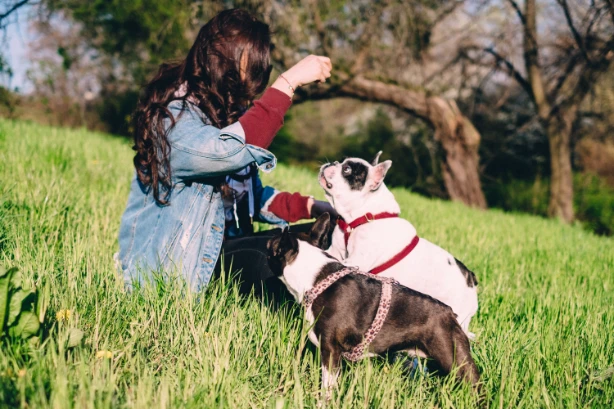
Mealtime should be one of the most relaxed parts of your dog’s day, not the moment you hold your breath and hope nothing happens.
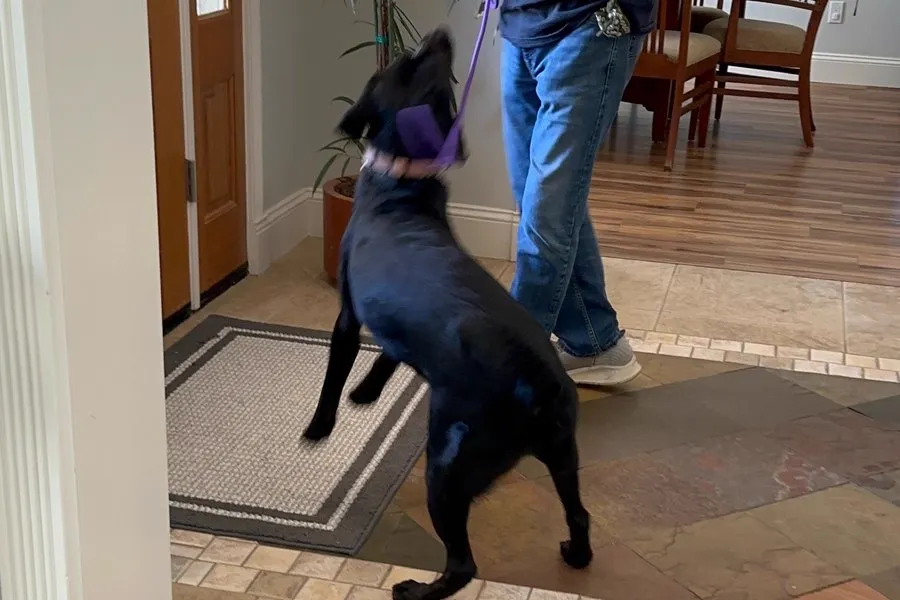
Food aggression, sometimes called food bowl aggression or food guarding, is one of the most common feeding time issues owners deal with, and it’s also one of the most predictable to work through once you understand what’s actually going on.
What Food Aggression Actually Looks Like
Food-related aggression usually shows up as a pattern rather than a single dramatic moment. Early on, you might notice your dog eating faster the second someone walks by, standing stiffly over the bowl, or giving a hard stare if a hand comes near their food. As it progresses, that can turn into a low growl, a curled lip, or snapping if someone reaches toward the bowl. In more serious cases, a dog may guard not just the bowl itself but the entire area around it, reacting to anyone, human or canine, who gets too close during feeding time.
Food Aggression Toward People vs. Toward Other Dogs
These two versions of food guarding often need slightly different approaches, so it’s worth telling them apart early.
A dog who’s only possessive over food around people usually responds well to trust-building exercises done directly with the household. A dog who guards food from other dogs in a multi-dog home is a different challenge entirely, since the trigger isn’t a hand reaching in, it’s another animal’s presence near the bowl. That version almost always calls for separate feeding stations and careful management first, with any direct work between the dogs happening gradually and under close supervision.
Common Causes of Food Aggression
Food guarding taps into one of the oldest survival instincts a dog has. In the wild, losing access to food could mean going hungry, so protecting a meal in progress made evolutionary sense. Some dogs carry a stronger version of this instinct than others simply due to genetics.
Early life experience plays a big role too. Puppies who competed hard with littermates for a shared food source, and rescue dogs with a history of real scarcity, often bring that heightened food-related sensitivity with them into a home where food is actually never in short supply.
Ironically, one of the biggest causes is a well-meaning but outdated habit: repeatedly reaching into a dog’s bowl or taking food away mid-meal to “test” them or prove who’s in charge. This doesn’t build trust, it teaches the dog that people approaching the bowl reliably means losing food, which makes guarding worse, not better.
Rule Out Medical Causes First
If food aggression appears suddenly in a dog with no previous history of it, get a vet check before assuming it’s purely behavioral. Dental pain, mouth sores, or gastrointestinal discomfort can make a dog defensive around eating simply because chewing or being approached while eating hurts. This is an easy step to skip, and it’s often the actual answer.
Solutions: A Step-by-Step Approach
Stop reaching into the bowl or removing food mid-meal to test your dog. This single change removes the exact pattern that usually created or worsened the guarding in the first place.
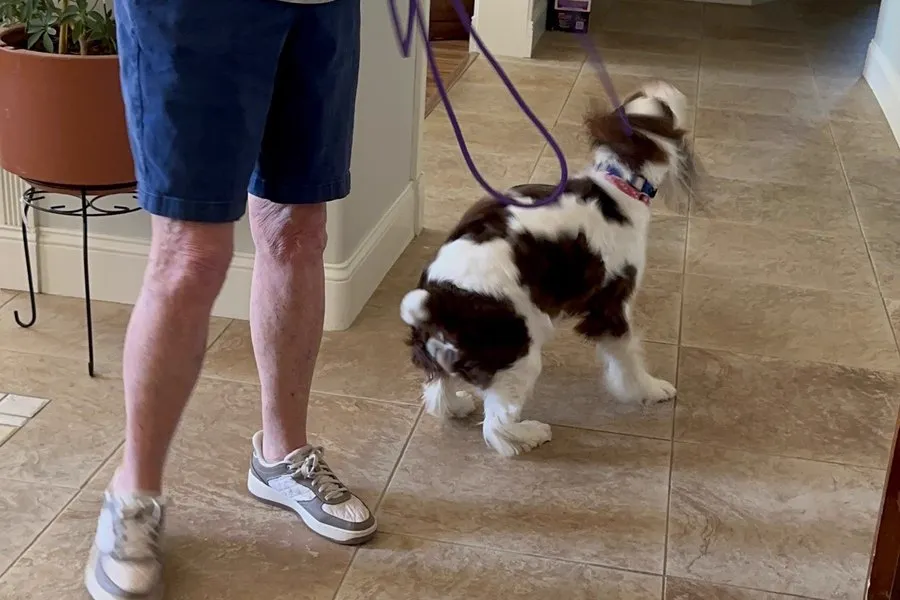
Practice hand-feeding a portion of meals, especially with puppies or newly adopted dogs. Offering food directly from your hand builds a strong, early association between your presence and good things happening at mealtime, which helps prevent food aggression before it ever starts.
Use the add, don’t take approach. Instead of testing your dog by removing the bowl, walk by occasionally during meals and toss in something even better than what’s already there, then keep walking. Over time, your dog learns that a person near the bowl means more food is coming, not less.
For multi-dog households, set up separate feeding stations, whether that’s different rooms, crates, or enough physical distance that no dog feels the need to compete or guard. This isn’t giving up, it’s smart management while you address the behavior more directly with a trainer if needed.
Consider a slow feeder or puzzle bowl for dogs who gulp food quickly out of anxiety. Slowing down the eating process on its own often reduces the frantic, defensive energy that feeds into guarding behavior.
Preventing Food Aggression in Puppies
If you’re raising a puppy, a little prevention goes a long way. Hand-feed regularly during the first few months, occasionally add something delicious to the bowl mid-meal, and avoid the temptation to test your puppy by removing food to see how they react. These small habits build a lifelong association that people near food are a good thing, not a threat.
Mistakes That Make Food Guarding Worse
Testing a dog by repeatedly taking their bowl away is one of the most common and most counterproductive habits owners fall into, since it directly teaches the guarding response it’s trying to prevent. Punishing a growl at the food bowl removes the warning without addressing the underlying feeling, which can lead to a bite with no warning next time. And forcing a hand near a guarding dog’s mouth without any trust-building foundation in place first is simply not worth the risk.
When to Get Professional Help
Mild food guarding often improves quickly with consistent hand-feeding and the add, don’t take method. But if your dog has ever snapped or bitten over food, guards intensely enough that family members avoid the feeding area, or the guarding happens between dogs in your home, it’s time to bring in a professional rather than managing it alone. Our aggression and reactivity program works through exactly this kind of resource-driven behavior with a structured, safety-first plan.
Consistent household structure also supports this kind of work well, which is a core part of our basic life skills training.
If mealtime has turned into a source of stress in your home, book a Free Call Consultation and we’ll help you build a plan that fits your dog’s specific situation.