
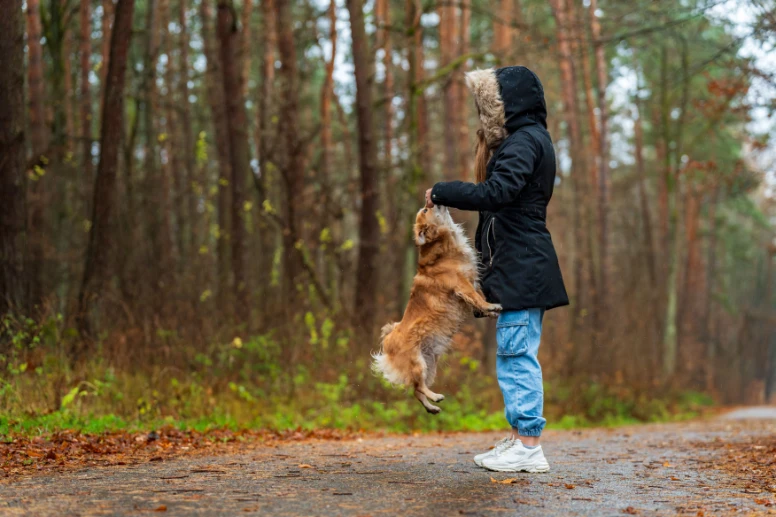
The first few months of your puppy’s life shape the dog they’ll become. What a puppy experiences, and how those experiences feel, during this short window has a lasting effect on whether they grow into a confident, easygoing adult or a nervous one who struggles with new people, dogs, and places. The good news is that socialization doesn’t have to be complicated. It just needs a plan, and this week-by-week guide gives you one.
Why Puppy Socialization Matters So Much
Puppies go through a sensitive period of development, roughly from three to sixteen weeks of age, when their brains are especially open to new experiences. Things they meet positively during this window tend to feel normal and safe later in life. Things they never encounter, or encounter in a scary way, are more likely to trigger fear or reactivity down the road.
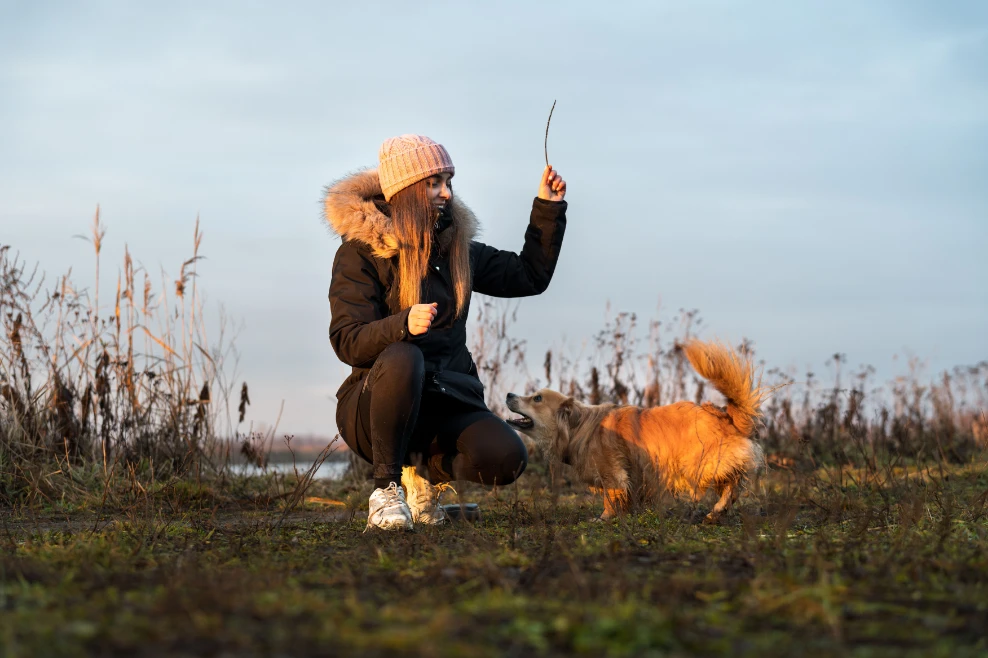
Many of the fear-based problems owners struggle with later, including leash reactivity, nervousness around strangers, and anxiety in new places, trace back to gaps in early socialization. A little structured effort now prevents a lot of difficult training later.
A Quick Note on Vaccinations and Safety
Puppies aren’t fully protected until they’ve completed their vaccine series, so safety matters while you socialize. Talk with your vet about what’s appropriate for your puppy’s vaccine schedule and your area. In general, avoid dog parks, pet store floors, and other high-traffic spots where unvaccinated dogs have been until your vet gives the go-ahead. Instead, choose controlled exposures: carry your puppy through new places, arrange meetups with healthy, fully vaccinated adult dogs you know, and keep outings calm and short.
What Good Socialization Actually Looks Like
Socialization isn’t about flooding your puppy with as many experiences as possible. It’s about making each one positive. Let your puppy approach new things at their own pace, pair new experiences with treats, and keep sessions short. If your puppy seems unsure, add distance and give them time rather than pushing closer.
Week by Week
Weeks 8 and 9: Home base. Your puppy is adjusting to a whole new world, so keep things simple. Introduce family members one at a time, and practice gentle handling of paws, ears, and mouth while rewarding calm behavior. Expose your puppy to everyday household sounds at low volume, like the vacuum, dishwasher, and doorbell, and let them walk on different floor surfaces such as tile, carpet, and hardwood.
Weeks 10 and 11: Meeting new people. Start inviting a few calm visitors over, ideally people who look different from each other: someone with a hat, someone with glasses, someone with a beard. Have guests offer treats rather than reaching over your puppy’s head. Take short car rides to build comfort with travel, and begin brief, positive alone time in a crate or pen.
Weeks 12 and 13: Widening the circle. Arrange a gentle meetup with a calm, vaccinated adult dog that you trust. Carry your puppy to new locations, like the outside of a cafe patio or a quiet park bench, and let them watch the world from a safe distance. Practice nail trims, brushing, and happy vet visits where the only thing that happens is treats and attention.
Weeks 14 to 16: Exploring more of the world. Once your vet clears your puppy for wider outings, take walks in new neighborhoods and introduce different surfaces like grass, gravel, and metal grates. Let your puppy watch bikes, skateboards, and strollers from a comfortable distance, rewarding calm curiosity. A well-run puppy class with a qualified instructor can also be a great way to add structured exposure to other puppies and people.
Months 4 to 6 and beyond: Keep going. Socialization doesn’t end at sixteen weeks. Adolescent dogs often go through a second wave of wariness, so keep exposing your dog to new experiences in a positive, low-pressure way throughout their first year and beyond.
Signs Your Puppy Is Overwhelmed
Watch your puppy’s body language closely. A tucked tail, trembling, hiding behind your legs, refusing treats, or excessive yawning and lip licking all signal that things are too much. When you see these signs, increase the distance from whatever is worrying them, give them space to recover, and try again later with a gentler version of the experience.
Common Socialization Mistakes
Many owners assume a trip to the dog park counts as socialization, but chaotic off-leash environments can actually do more harm than good for a young puppy.
Forcing greetings, letting every dog or person rush up to your puppy, or flooding them with too much at once can create fear instead of confidence. Another common gap is focusing only on other dogs while overlooking people, sounds, surfaces, and environments, all of which matter just as much.
What If You Missed the Window?
If you adopted an older puppy or a rescue dog whose early weeks were a mystery, it’s not too late. Socialization is slower and takes more patience after the sensitive period closes, but dogs can absolutely keep learning that the world is safe. The approach is the same: go at your dog’s pace, keep experiences positive, and build confidence gradually.
When to Get Professional Help
If your puppy is already showing strong fear, avoidance, or reactivity toward people or dogs, getting help early makes a big difference. Our aggression and reactivity program can help address fear-driven behavior before it becomes a long-term habit, and our anxiety and hyperactivity program supports puppies who struggle to stay calm in new situations.
Building a foundation of good manners alongside socialization also makes every outing easier, which is a core part of our basic life skills training.
If you want a plan tailored to your puppy’s age and personality, book a Free Call Consultation and we’ll help you make the most of this important window.